

The Allure of Casino Games
Casino games have a unique draw that captivates players from all walks of life. The bright lights, vibrant sounds, and enticing atmosphere create a sensory experience that triggers excitement and anticipation. This allure often taps into fundamental psychological principles such as reward anticipation and the thrill of risk-taking. For those interested in finding the best online casinos, understanding these mechanisms can provide insights into why people are drawn to these environments.
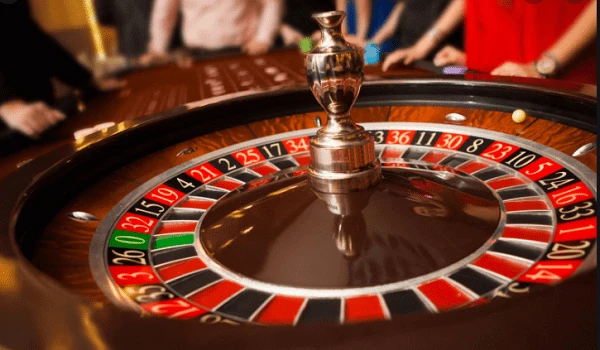
For many, the hope of winning big against the odds fuels their desire to participate in gambling activities. This hope is coupled with the concept of “near misses,” which can reinforce a player’s belief that they are close to winning. These psychological elements, combined with strategic marketing by casinos, contribute to the ongoing engagement of players, making them more likely to return.
The Role of Cognitive Biases
Cognitive biases play a significant role in how players perceive their chances of winning at casino games. The gambler’s fallacy, for example, is the belief that past outcomes affect future results, leading players to make irrational bets based on previous spins or hands. This misconception can result in increased gambling, as players believe they are due for a win after a series of losses.
Additionally, confirmation bias — the tendency to notice only the information that supports one’s beliefs — can keep players engaged longer than they should be. Players often remember their wins more vividly than their losses, leading to an inflated sense of success that keeps them coming back for more, even when the odds are stacked against them.
The Impact of Emotion on Gambling Behavior
Emotions significantly influence gambling behavior and decision-making. Many players experience heightened emotions such as excitement, anxiety, or euphoria during play, which can drive impulsive decisions. For instance, a player on a winning streak may feel invincible, prompting them to take larger risks. Conversely, a player experiencing a losing streak may chase their losses, hoping to recover their funds through risky bets.
The emotional rollercoaster associated with gambling can create a dependency, as individuals may seek out these highs for escapism or stress relief. This emotional attachment complicates the relationship between players and gambling, as they may find themselves unable to walk away, even when it is in their best interest.
The Social Aspect of Gambling
The social environment of casinos adds another layer to the psychology of player behavior. Gambling often becomes a communal activity, where players share their experiences and emotions with each other. This social interaction can reinforce behavior as players celebrate wins together or commiserate over losses, creating a sense of belonging.
Moreover, the presence of others can amplify the excitement of gambling. Players may feel more encouraged to take risks when surrounded by cheering peers or when they see others winning. This dynamic can lead to an environment where players lose track of time and money, blinded by the social thrill of the experience.

Guiding Your Gambling Experience
Understanding the psychology behind casino games and player behavior is essential for anyone looking to engage in gambling responsibly. By recognizing how emotional states, cognitive biases, and social influences can affect decision-making, players can approach gambling with a more informed mindset. This awareness can lead to more strategic decisions and a healthier relationship with gambling.
At our platform, we strive to provide comprehensive insights and resources for players to navigate the world of online casinos effectively. With tailored guides on best practices, behavior insights, and expert reviews, we empower users to make informed choices and enhance their gaming experiences, ensuring they enjoy the excitement while maintaining control. Join us to explore the fascinating realm of online gambling confidently and responsibly.